![NYC Subway Map [New York Subway Map] ❤️](https://nycsubwaymap.net/wordpress/wp-content/uploads/2023/12/NYC-Subway-Logo.png)
In January 2026, the fare for taking a ride in the New York City (NYC) subway will rise by $3.00, replacing the price of $2.90. This increase in fare was initially offered as the result of a study, and it was officially endorsed by the board of the Metropolitan Transportation Authority (MTA) on September 25, 2025. In addition to the increase in the fare on the subway, the fare in express bus trips will be increased to 7.25, and the fare for a single ride will go up to 3.50. In a bid to enhance affordability, the MTA has introduced a 7-day fare limit that is permanent and capped the amount that customers can incur in a week. In the case of riders with reduced fares, the maximum per week will be fixed at $17.50, and their total cost of ride will not be higher than that.
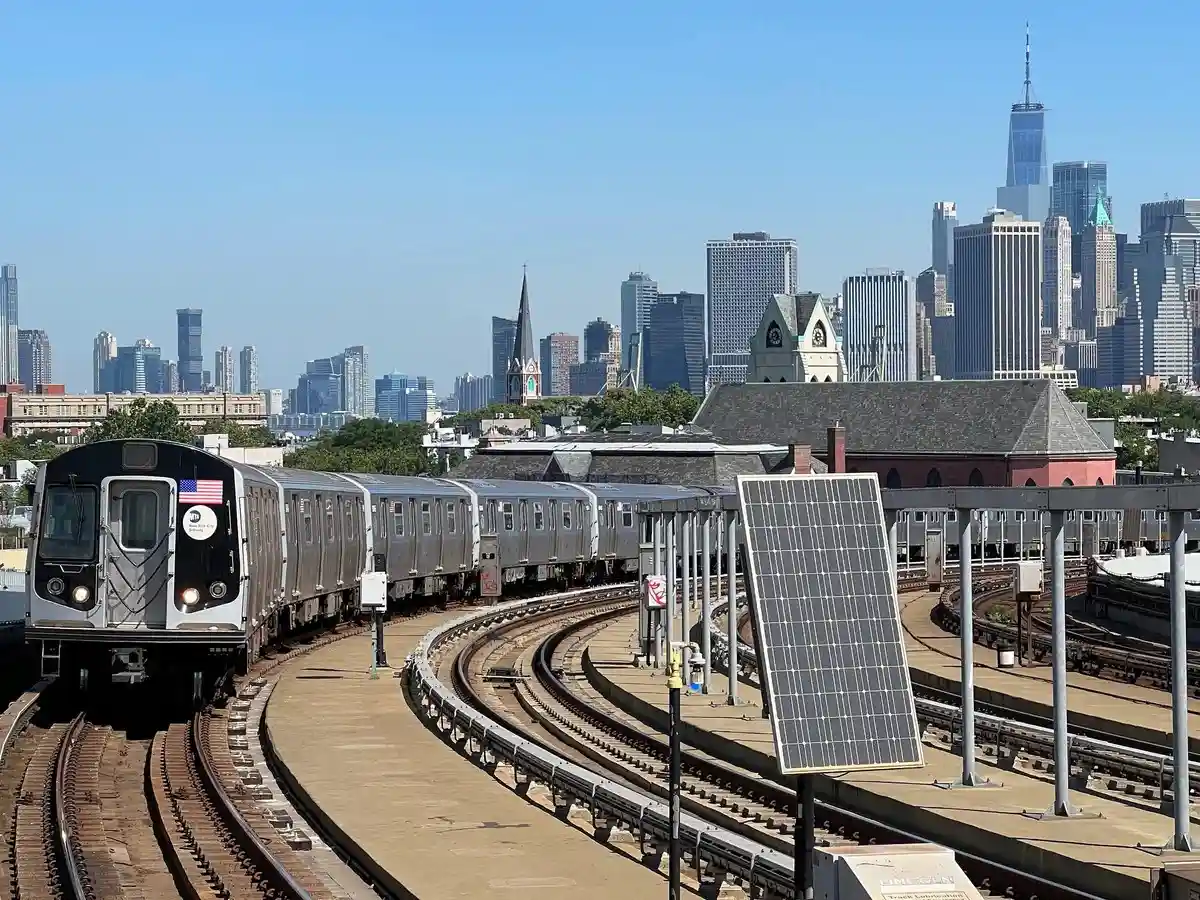
Site: @theguardian.com
Moreover, the MTA is also eliminating MetroCards by the end of 2025 in favor of OMNY, a new contactless payment system. OMNY provides the option of using credit/debit cards, mobile wallets, or OMNY-specific cards to pay. The new blue OMNY card will cost $2. Riders may also move any balance that they have on MetroCard to OMNY or claim a refund.
You May Also Like This:
- New York Subway Map 7 Train
- NYC Subway Planner
- NYC Subway Card
- NYC Subway Map Brooklyn
- NYC Subway Map 4 Train
NYC Subway Fare: Current Fare Structure and Pricing
- Subway fare: $1.25/way one-way: 2.80/way one-way Bus fare: $1.25/way one-way: 2.80/way one-way
- Base Fare: Subway, local buses, and Access-A-Ride will increase their fare to three dollars as opposed to three ninety.
- Reduced Fare: The price of the seniors/disabled/low-income fare will go up to 1.50.
- Express Bus Base Fare: The base fare on the express buses will also go up by a quarter, to $7.25, up to 7.00.
- Reduced Express Buses: The express bus reduced fare will increase to $3.60 or 3.50.
- OMNY 7-Day Fare Cap: The 7-day subway and local bus unlimited ride will increase by one dollar, charging 34.00 to 35.00.
- OMNY 7-Day Reduced Fare Pass: The reduced-fare 7-day pass will rise by one dollar to 17.50.
- Fare Type: MetroCard will stop being sold on 31st December 2025. Starting in 2026, paying via subway and bus will only be possible with OMNY (One Metro New York).
Comparison of Transit Fares in Key Cities
It may not compare well to various US cities, but the base subway fare is $2.75 and includes free transfers between subway/bus within 2 hours. For instance, the max fare (Rs 60) in the Delhi Metro is cheaper but does not come with integrated transfers. NYC’s Fares are competitive with global urban transit affordability
Factors Influencing Fare Pricing
- Operational costs: M.T.A.’s $20 billion annual budget covers salaries, utilities, and debt servicing.
- Ridership in the post-pandemic world and its effect on fare pricing.
- Inflation adjustment: Fares are increasing more slowly than inflation in NYC
- OMNY introduces capping and improved revenue control.
Comparison with Competitor Transit Systems
New York City Subway (MTA)
- Base Fare: $3.00 (effective January 2026)
- 7-Day Fare Cap: $35.00
- Fare Payment: MetroCard is being changed to OMNY (One Metro New York), a contactless payment system.
- Fare Capping: When travelling beyond 12 times in 7 days, the ride is free.
- Fare Payment Deadline: MetroCard sales will be completed on December 31, 2025; OMNY will be the only form of payment in 2026.
London Underground (TfL)
Base Fare: PS2.90 (3 or 3.60 USD) on peak travel in Zone 1.
- 7-Day Fare: PS80.00 (about 100 USD)
- Fare Payment: Oyster card payment or contactless payment through debit/ credit cards.
- Fare Capping: Spending on fares was capped with daily and weekly fare caps.
- Fare freeze: Bus and tram fares will be held at PS1.75, but capped by PS5.25/day.
Tokyo Metro
- Base Fare: Base Fare occurring at 180 (approximately 1.20 USD) on short routes.
- Fare Structure: Distance-based fare structure where fares go up according to the distance travelled.
- Fare: IC cards: Suica or Pasmo, or cash at ticket vending machines.
- Fare Capping: There is no fare capping system; fares are charged on a per-journey basis.
Paris Metro
- Base Fare: EUR2.50 (about 2.70 USD) to travel one way.
- Monthly Pass: Navigo pass EUR86.40/month (about one hundred twenty dollars USD).
- Fare System: A Level fare system for all trips within the city.
- Fare Reform: streamlining of fare structure to root out more than 50,000 prices.
Discounts and Concession Policies
- Discounted fares for seniors, disabled, and low-income riders ($1.50)
- Students get discounted OMNY cards
- Family fare programs for commuter rail tickets provide discounts for children under 18.
- Eligible low-income Subway and bus riders across the city can sign up for half-priced MetroCards starting Jan. 27 under the NYC Subway Fare program
Revenue Generation and Funding
- Farebox revenues typically comprise 25-39 percent of the cost to operate a transit service.
- Fare evasion incurred more than $1 billion in losses in 2024, but has driven the rate of fare evasion down recently
- So far and toll increases will bring the M.T.A. an extra $350 million a year.
Impact of Fare Changes on Ridership
- Ridership post-pandemic is rebounding but has not yet reached 2019 numbers (Roughly 74% by 2026).
- Fare hikes tend to have a slightly negative impact on ridership, but revenue appears to more than cover the loss
- Express a lot of the fears in the public riding space as fares go up.
Technological Integration and Payment Methods
- Technological Integration and the method of payment.
- A contactless system of paying fares is called OMNY. People can tap their credit/debit cards, smartphones, wearable devices, or OMNY cards.
- MetroCard phased out by Dec 31, 2025
- OMNY has the advantage of automatic capping of the weekly fares and is more convenient and faster.
- Community with the TrainTime app for commuter rails.
Customer Feedback and Public Opinion
- Public comment periods reveal intense rider anxiety about fare hikes, even though many like OMNY tech
- Feedback reduced the increase of the weekly fare cap from $36 to $35
- The MTA is also conducting outreach through hearings, workshops, and online forums to strike a balance between fare policy and rider needs.
NYC Subway Future Fare Strategy and Policy Trends
- More fare and toll rises are to be implemented in 2027 to slowly recover the pre-pandemic revenues.
- Increased family fares and fewer qualifications for fares.
- Continuous investing in contactless technology and improved efficiency in collecting fares.
- Further attempts to combat fare evasion and enhance customer experience.
Innovative Payment Solutions and Contactless Fare Systems
- New Payments Solutions and Noncontactless Fares.
- OMNY serves every single NYC subway Fare, bus, MetroNorth, LIRR, Roosevelt Island Tram, and AirTrain JFK.
- Promotes the use of smartphone and wearable payments instead of physical ones.
- Helps save on boarding time and operational costs.
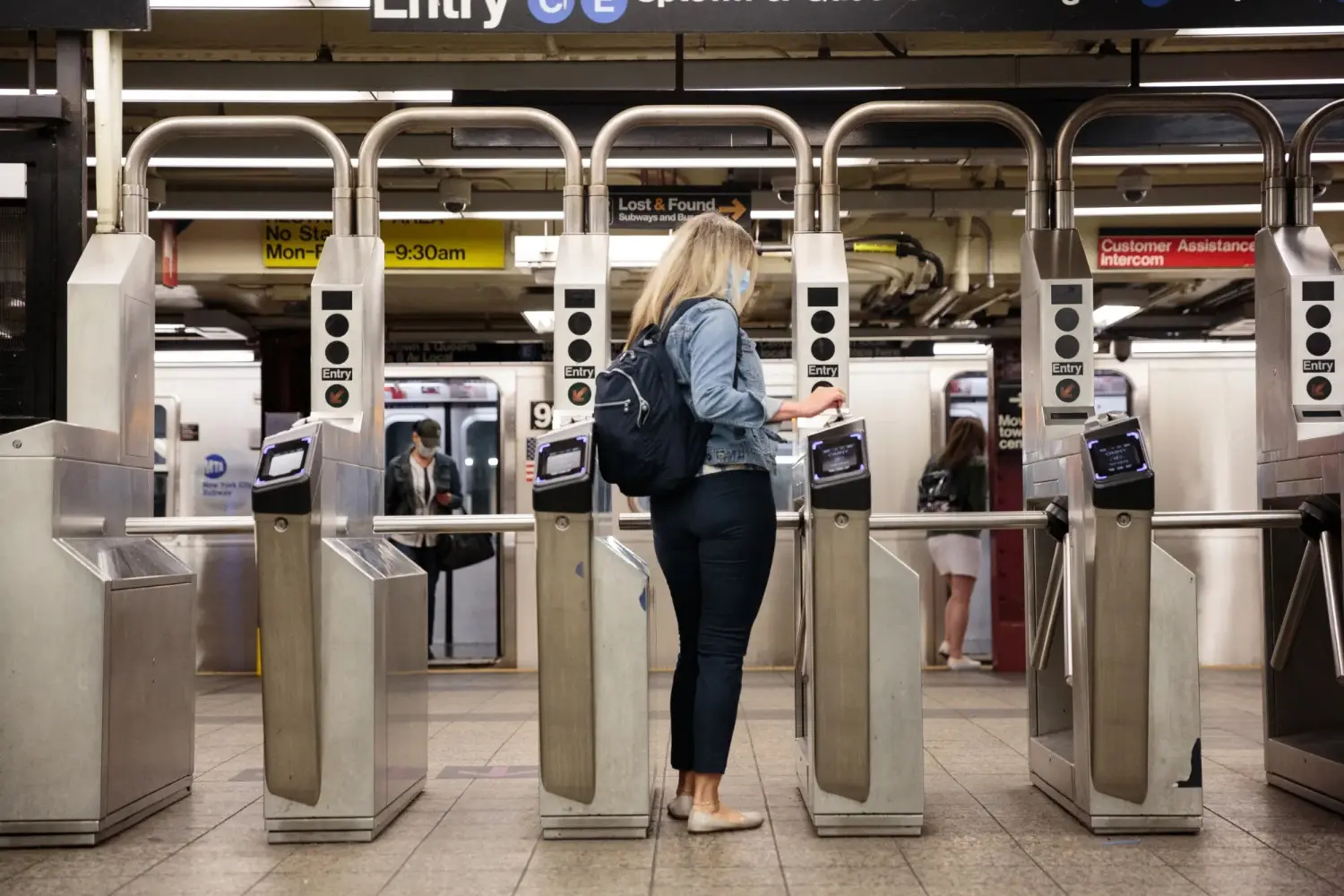
Site: @bloomberg.com
Case Studies of Recent Fares
- The January 2026 fare increase brought single-ride fares up one-tenth ($2.90 to $3).
- Weekly ride cap increased by $1
- Express bus charges went up relatively.
- modifications to be made with the transition to OMNY, which will replace MetroCard sales.
Market Challenges ND Opportunities
- Fare evasion is an enforcement problem that exists.
- The pandemic changed the travel patterns, which affected ridership.
- Revenue growth opportunities through dynamic pricing, better adoption of cards, and greater concession programs.
- The increasing use of digital payments enhances convenience and data acquisition.
NYC Subway Fare Conclusions and Recommendations
- Fares of NYC Subway trains are designed to be both affordable and user-friendly in terms of their prices, which include such useful options as fare capping and transfers.
- Further investment in technology (OMNY) improves user experience and protection of revenues.
- Engagement and involvement of the public to ensure fair fare policy.
- There are still problems with ridership recovery and the mitigation of fare evasion.
| Fare Type | Price (USD) | Notes |
|---|---|---|
| Single Ride (subway/bus) | $3.00 | Base fare starting Jan 2026 |
| Reduced Fare | $1.50 | For seniors, disabled, and low-income riders |
| Express Bus | $7.25 | Higher fare for express bus routes |
| Weekly Fare Cap (OMNY) | $35 | Max fare for unlimited rides in 7 days |
| MetroCard New Card Fee | $1.00 | Fee for new MetroCard; MetroCard sales end 2025 |